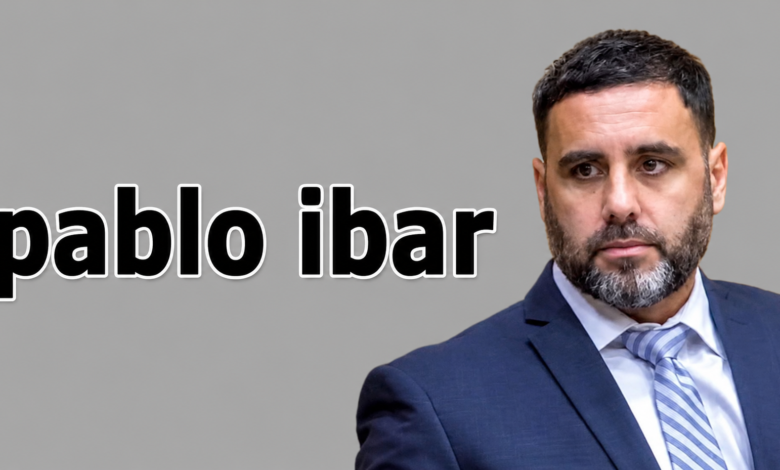
Pablo Ibar Biography: The Powerful Story of His Life, Death-Row Battle and Controversial Case

Introduction
Pablo Ibar is an American-born man with strong Spanish and Basque family connections who became internationally known because of a Florida triple-murder case. Born on 1 April 1972 in Fort Lauderdale, Florida, his life changed dramatically in 1994 when he became a suspect in the murders of Casimir Sucharski, Sharon Anderson and Marie Rogers in Miramar.
His story contains both positive and negative developments. On the positive side, Ibar successfully challenged his earlier conviction, and the Florida Supreme Court ordered a new trial in 2016. On the negative side, he was convicted again following his retrial and received a life sentence in 2019. He has consistently maintained his innocence, making his case a continuing subject of discussion surrounding criminal justice, identification evidence and the death penalty.
Pablo Ibar Quick Bio
| Information | Details |
|---|---|
| Name | Pablo Ibar |
| Date of Birth | 1 April 1972 |
| Age | 54 years old as of August 2026 |
| Birthplace | Fort Lauderdale, Florida, United States |
| Father | Cándido Ibar |
| Wife | Tanya Quiñones |
| Children | Giorgio Ibar and Javier Andrés Ibar |
| Early sporting interest | Cesta punta / Basque pelota |
| Known For | Miramar triple-murder case and lengthy legal battle |
| Original Sentence | Death sentence |
| 2016 Development | Earlier conviction overturned and new trial ordered |
| 2019 Sentence | Life imprisonment |
| Current Status | Serving a life sentence |
Pablo Ibar Early Life and Family Background
Pablo Ibar was born in Fort Lauderdale, Florida, on 1 April 1972. His family has strong connections to Basque sporting culture. His father, Cándido Ibar, was a professional Basque pelota player, and this sporting environment influenced Pablo during his younger years.
Ibar also has a family connection to José Manuel Ibar Azpiazu, widely known as Urtain, the famous Spanish heavyweight boxer. Rather than beginning life as a public figure, Pablo initially pursued sporting interests. The criminal proceedings that started in the 1990s eventually transformed him into a widely recognised figure, particularly in Spain.
Pablo Ibar and Cesta Punta
During his younger years, Ibar trained in cesta punta, a fast-moving form of Basque pelota associated with jai alai. His father’s background in the sport provided him with a direct connection to this athletic tradition.
His involvement in cesta punta did not develop into a lengthy documented professional career. Instead, his sporting ambitions became a relatively small part of a life story later dominated by criminal proceedings, imprisonment and appeals.
Pablo Ibar Wife and Children
Pablo Ibar’s wife is Tanya Quiñones, who is also publicly known as Tanya Ibar. She has remained closely connected to him throughout his imprisonment and has been one of the prominent people supporting his position during his long-running legal battle.
Pablo and Tanya have two sons, Giorgio Ibar and Javier Andrés Ibar. His family relationships have received media attention because of the extraordinary length of his imprisonment and the international interest surrounding his case.
The 1994 Miramar Murder Case
The central event in Pablo Ibar’s public story occurred in 1994. Casimir Sucharski, Sharon Anderson and Marie Rogers were murdered in Miramar, Florida. Surveillance footage connected with the crime subsequently became an important element of the investigation.
Ibar and Seth Peñalver were charged in connection with the killings. Identification from the surveillance recording became one of the major issues surrounding Ibar’s prosecution and later legal challenges.
Pablo Ibar Trial and Conviction
Ibar and Peñalver initially faced trial together, but that proceeding ended with a hung jury. Ibar was later tried separately and convicted of three counts of first-degree murder.
The conviction resulted in an exceptionally serious punishment: Ibar received death sentences. He consequently spent many years facing the possibility of execution while his lawyers pursued appeals and post-conviction challenges.
Years on Death Row
Ibar spent approximately 16 years under a death sentence. Throughout this period, he continued to maintain that he was innocent of the murders.
His case gradually attracted considerable attention outside the United States, particularly in Spain. Questions surrounding the surveillance images, physical evidence and effectiveness of his original legal representation became central elements of the continuing debate.
Florida Supreme Court Overturns the Conviction
February 2016 brought one of the most significant developments in the Pablo Ibar case. The Florida Supreme Court overturned his previous conviction and ordered that he receive a new trial.
The decision focused significantly on deficiencies in his previous legal representation. The court determined that the problems were serious enough to undermine confidence in the outcome of his earlier trial.
What the 2016 Decision Meant
The ruling represented an important legal victory for Ibar because his previous conviction and death sentence could no longer stand. After spending years under a death sentence, he was given another opportunity to defend himself at trial.
However, the decision did not declare Ibar innocent or acquit him of the murders. This distinction is important when discussing his biography. The court ordered a retrial, allowing prosecutors to present their case against him again.
Pablo Ibar Retrial and 2019 Conviction
The retrial produced another major turning point. In January 2019, a jury again convicted Pablo Ibar in connection with the murders of Casimir Sucharski, Sharon Anderson and Marie Rogers.
Prosecutors again pursued capital punishment. Ibar, however, did not receive another death sentence, meaning that he avoided returning to death row.
Pablo Ibar Life Sentence
In 2019, Ibar was sentenced to life imprisonment. The sentence established the legal position under which he remains imprisoned.
Ibar continued maintaining his innocence after the conviction. His supporters have likewise continued drawing attention to the case and questioning the evidence used against him.
Seth Peñalver and Pablo Ibar
Seth Peñalver is another important name in the history of the Miramar case. He was prosecuted in connection with the same three murders and, like Ibar, was initially convicted and sentenced to death.
Peñalver’s conviction was eventually overturned, and he was acquitted following a later retrial. His acquittal has frequently been mentioned in discussions about Ibar’s case, although Peñalver’s outcome does not legally establish Ibar’s innocence.
Pablo Ibar Media Coverage
The Pablo Ibar case has attracted substantial media attention, especially in Spain. His years on death row, successful challenge to his earlier conviction and subsequent retrial provided the basis for extensive newspaper, television and documentary coverage.
His story also inspired En el corredor de la muerte, a Spanish television production in which actor Miguel Ángel Silvestre portrayed Ibar. Such productions helped introduce the case to audiences who had not previously followed the Florida court proceedings.
Pablo Ibar Current Status
As of August 2026, Pablo Ibar is 54 years old and remains under a life sentence following his 2019 conviction. His earlier success in overturning his original conviction does not change the legal effect of the later guilty verdict.
Ibar continues to maintain his innocence. His legal history therefore remains complex: he was originally convicted and sentenced to death, successfully obtained a new trial, and was subsequently convicted again and sentenced to life imprisonment.
Pablo Ibar Legacy and Public Significance
Pablo Ibar’s legacy is closely connected with wider discussions about capital punishment and criminal justice. His successful 2016 challenge highlighted the importance of effective legal representation, particularly when a defendant faces the possibility of execution.
His case has also generated discussion about identification evidence and the safeguards required in serious criminal trials. Because his current conviction remains in force, however, his story must be presented carefully without treating disputed claims as established facts.
Conclusion
Pablo Ibar’s biography tells the story of a Florida-born man from a family connected with Basque sport whose adult life became dominated by one extraordinary criminal case. From his early involvement in cesta punta to his arrest, death sentence and years of appeals, his life has unfolded largely within the American criminal justice system.
The 2016 reversal of his earlier conviction was a major victory, but his subsequent 2019 conviction produced a very different outcome. Today, Pablo Ibar remains imprisoned under a life sentence while maintaining his innocence. His complicated legal history continues to make the case significant in discussions about capital punishment, criminal defence and the reliability of evidence.
Frequently Asked Questions About Pablo Ibar
Who is Pablo Ibar?
Pablo Ibar is a Florida-born man with strong Spanish and Basque family connections who became widely known through the Miramar triple-murder case. He was originally sentenced to death, later received a new trial and was subsequently sentenced to life imprisonment.
How old is Pablo Ibar?
Pablo Ibar was born on 1 April 1972. He is 54 years old as of August 2026.
Who is Pablo Ibar’s wife?
Pablo Ibar’s wife is Tanya Quiñones, also publicly known as Tanya Ibar. She has remained an important supporter throughout his lengthy imprisonment and legal proceedings.
Does Pablo Ibar have children?
Yes. Pablo Ibar and Tanya have two sons, Giorgio Ibar and Javier Andrés Ibar.
Why was Pablo Ibar’s conviction overturned?
The Florida Supreme Court ordered a new trial in 2016 after concluding that deficiencies in his previous legal representation undermined confidence in the earlier trial’s outcome. The decision did not declare him innocent, and he was subsequently convicted again at his retrial.
Where is Pablo Ibar now?
Pablo Ibar remains imprisoned under the life sentence imposed following his 2019 conviction. He continues to maintain his innocence.